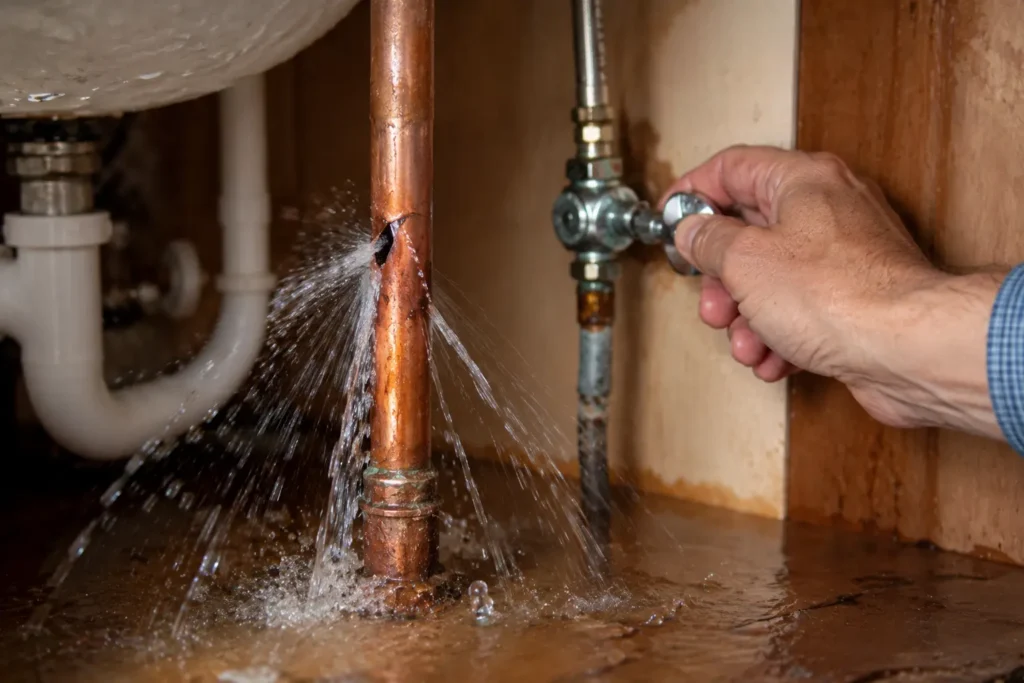
Imagine coming home to a gushing flood from a burst pipe, turning your Charleston SC living room into a swimming pool. This nightmare happens more often than you’d think, especially during our humid winters or after intense storms that strain aging plumbing in historic homes. At Water Damage Charleston, we’ve responded to countless such emergencies across the Lowcountry, helping families and businesses minimize devastation and get back to normal fast. In this guide, we’ll walk you through exactly what to do when burst pipes strike, from spotting early signs to full restoration. Whether it’s a frozen line in Mount Pleasant or pressure buildup in the French Quarter, knowing the right actions can save you thousands in repairs and prevent mold growth. Stay calm—we’ve got your back with proven strategies tailored to Charleston’s unique climate and infrastructure.
Understanding Burst Pipes: Causes and Impacts in Charleston SC
Burst pipes are a homeowner’s worst fear, but understanding why they happen in Charleston SC can help you prevent or respond effectively. Essentially, a burst pipe occurs when excessive pressure, freezing temperatures, or material fatigue causes a pipe to crack or rupture, unleashing uncontrolled water flow. In our coastal city, where humidity levels often exceed 70% and occasional freezes dip into the 20s, these incidents spike during winter cold snaps or after heavy rains that overload drainage systems.
The “what” is straightforward: water escapes rapidly, flooding floors, walls, and ceilings. But the “why” ties into local factors. Charleston’s older homes, many built before modern codes, feature galvanized steel or copper pipes prone to corrosion from salty air and soil. Sudden temperature drops can freeze water inside pipes, expanding it by 9% and causing splits— a common issue in uninsulated attics or exterior lines. High water pressure from municipal systems, often over 80 PSI in areas like Ladson, exacerbates this without proper regulators.
Impacts go beyond the immediate mess. Standing water seeps into subfloors, promoting mold within 24-48 hours, which poses health risks like respiratory issues. Structurally, it weakens foundations in our flood-prone region, and electrically, it endangers wiring, leading to shorts or fires. Financially, unchecked bursts average $5,000-$10,000 in damages, per insurance data, but early intervention cuts that in half.
- Freezing: Most common in Charleston winters; insulate exposed pipes to prevent.
- Corrosion: Saltwater exposure rusts metal pipes; regular inspections catch early wear.
- Pressure Surges: From clogs or main line issues; install pressure-reducing valves.
- Physical Damage: Tree roots or settling soil in neighborhoods like Shadowmoss crack lines.
- Age: Pipes over 50 years old fail at higher rates in historic districts.
In our experience at Water Damage Charleston, 60% of calls in January involve bursts from overnight freezes, underscoring the need for proactive maintenance. We’ve seen everything from minor pinhole leaks in the Arboretum to major floods in downtown properties, and addressing the root cause is key to long-term prevention. For more on related water issues, check our basement mold cleanup services, as bursts often lead to hidden growth.
Step-by-Step Guide: What to Do When Burst Pipes Hit in Charleston SC
When a pipe bursts in your Charleston SC home, every second counts. Acting swiftly can limit water spread and protect your property from irreversible harm. Start by shutting off the main water supply—usually a valve near your water meter or in the basement. If you can’t locate it quickly, know your home’s shut-off points in advance. Next, turn off electricity to affected areas at the breaker box to avoid shocks, especially if water has reached outlets.
Local factors play a big role here. Charleston’s sandy soil and high water table mean floods spread fast underground, potentially affecting neighbors or septic systems. During hurricane season remnants, like those from recent tropical storms, bursts compound with external flooding, requiring elevated shut-off access. For older homes in the French Quarter, navigating tight spaces adds urgency—use a flashlight and avoid slipping on wet historic floors.
Here’s your actionable plan:
- Evacuate and Assess: Get everyone out safely, then visually inspect for the source. Listen for hissing or look for wet spots on walls/ceilings.
- Contain the Water: Place buckets under leaks if minor, or use towels to block doorways. For major bursts, avoid mopping up yourself—professionals handle contaminated water.
- Call for Help: Contact a licensed plumber immediately for repairs, and if damage is extensive, reach out to restoration experts. In Charleston, permits may be needed for wall openings, so pros navigate local regs seamlessly.
- Dry and Dehumidify: Use fans and dehumidifiers to circulate air, but don’t DIY if mold risks are high—our humid climate accelerates growth.
- Document for Insurance: Take photos/videos before cleanup, noting the burst’s location and extent.
Charleston’s building codes, influenced by FEMA flood zones, require specific drying methods to prevent further issues like warped hardwood in colonial-style homes. Weather-wise, our mild winters mean bursts often occur at night, so have an emergency kit ready with flashlights and shut-off wrenches.
Pro Tip: In Charleston SC, always check your home’s elevation certificate post-burst. Many properties in low-lying areas like Mount Pleasant qualify for flood insurance riders that cover pipe failures—don’t overlook this to maximize claims. For air quality after water exposure, consider our air duct cleaning to remove contaminants.
Tailor these steps to your setup: apartments might involve building management, while rural spots near Ladson need well inspections. By following this, you’ll mitigate 80% of potential damage, based on industry standards.
Common Mistakes Homeowners Make with Burst Pipes in Charleston SC
Rushing into action without a plan often worsens burst pipe scenarios in Charleston SC. One frequent error is delaying the water shut-off, allowing thousands of gallons to flood— a single 1/2-inch pipe at 60 PSI releases 30 gallons per minute. This not only escalates repair costs but risks structural collapse in flood-vulnerable homes, where water undermines beams already stressed by coastal erosion.
Another pitfall: attempting full DIY repairs. Homeowners grab duct tape or epoxy for quick fixes, but without proper tools, leaks recur, leading to mold infestations that cost $2,000+ to remediate. In our salty environment, makeshift seals corrode faster, inviting bacteria into the water supply and health hazards like E. coli exposure.
Ignoring hidden damage is huge too. Visible puddles get attention, but water migrates into walls and crawlspaces, fostering black mold toxic to kids and pets. Safety-wise, bypassing electric shut-off invites electrocution—Charleston’s older wiring amplifies this risk during storms.
Financially, skipping professional assessment voids insurance claims; policies require documented pro intervention. Locally, in areas like Shadowmoss with strict HOA rules, unpermitted fixes lead to fines up to $500. We’ve seen businesses in the grocery sector lose inventory worth tens of thousands by not containing spills promptly—learn from our grocery store damage restoration expertise.
Business owners err by minimizing downtime; resuming operations on wet floors causes slips and lawsuits. The key? Treat bursts as emergencies, not inconveniences, to avoid these costly traps.
Wrapping Up: Protect Your Charleston SC Home from Burst Pipe Disasters
Burst pipes in Charleston SC demand quick thinking: shut off water and power, contain the mess, and call experts to handle the rest. By understanding causes like freezes and corrosion, following step-by-step tips tailored to our local weather and codes, and steering clear of DIY pitfalls, you can safeguard your property and health. Remember, early action prevents mold, structural woes, and hefty bills that plague so many in the Lowcountry.
If this feels overwhelming or you’ve already got water everywhere, why go it alone? Water Damage Charleston specializes in rapid response for burst pipe restoration, drawing on years of serving neighborhoods from the Arboretum to Mount Pleasant. Our team uses advanced drying tech and ensures compliance with Charleston regulations for peace of mind. For more about our commitment to the community, visit our about us page.
Need help with burst pipes in Charleston SC? Call Water Damage Charleston today at (843) 892-8750 – we’re here 24/7 to dry out the damage and restore your space.
Leave a Reply